Health
Mental health diagnosis can cut stigma and also feed it, article argues
A review of four major diagnostic frameworks says the labels doctors use can open doors to care while also making prejudice worse.
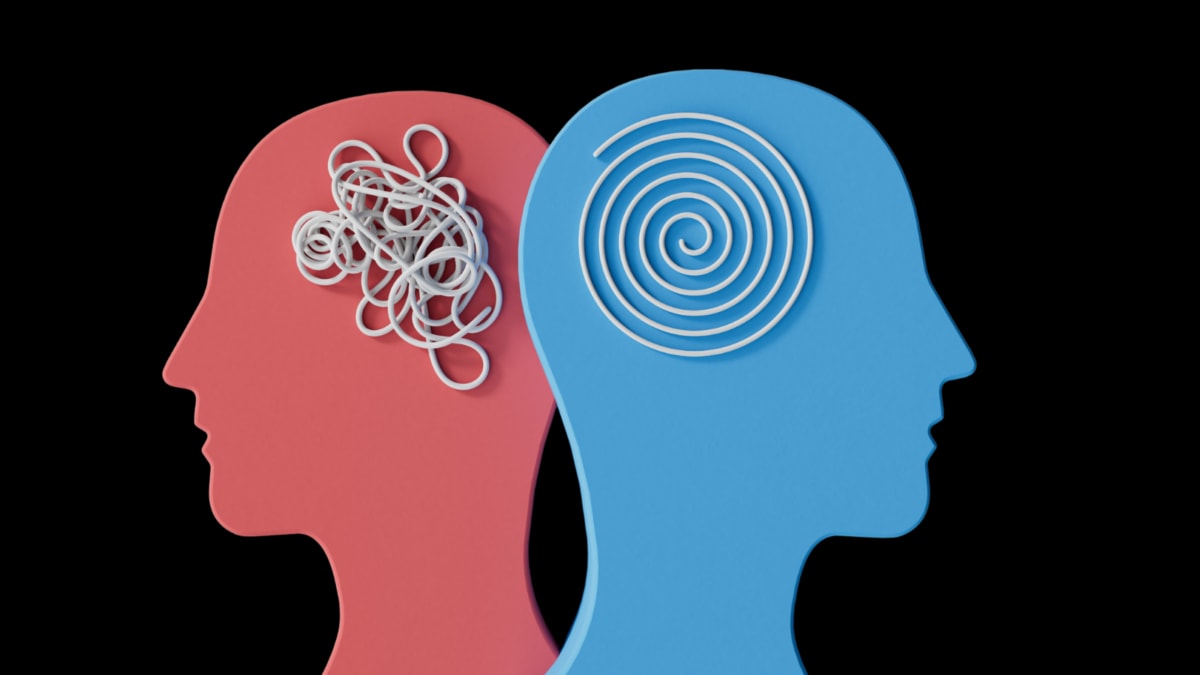
A new explainer on mental health stigma argues that diagnostic tools, the systems doctors use to name and classify mental illness, can both help patients and deepen the prejudice they face. The piece looks at four widely used diagnostic frameworks and says the link between a diagnosis and stigma runs in both directions.
The basic point is simple. A formal diagnosis can explain what a person is going through and open the way to treatment. But a label can also change how others see that person. The article cites Rosenhan's well-known 1973 study, "On Being Sane in Insane Places", in which a false label of schizophrenia led clinicians to read ordinary behaviour as a sign of illness.
Stigma can also come before any diagnosis. The article says fear of being judged, and self-stigma, often stop people from seeking help at all. So stigma can delay a diagnosis, and a diagnosis can then add to stigma. The author describes this as a back-and-forth process that shifts with time, institutions, culture and personal experience.
Culture matters too. The article says stigma tends to be more deeply internalised and moralised in collectivistic societies than in individualistic ones. It cites a 2009 study by Thornicroft and colleagues across 27 countries. It found that 72% of people diagnosed with schizophrenia felt they had to hide the diagnosis, 47% faced discrimination in making friends, and 64% faced it when applying for work, training or education.
The piece is also critical of the DSM, the American manual that is the most widely used diagnostic tool in psychiatry. It says the manual's symptom-count, category-heavy approach may lower the bar for diagnosis and inflate estimates of how common disorders are, with figures of up to 46.4% mentioned. It also points to comorbidity rates of up to 50%, meaning many people meet the criteria for more than one condition, which raises doubts about how cleanly the categories separate.
The article adds that explaining mental illness through biology has increased support for treatment and somewhat reduced blame. But it has not cut stigma among the public. Perceptions of dangerousness and the wish to keep distance from people with a diagnosis have grown. It also warns that efforts to cut stigma without understanding how diagnosis works have been linked to overdiagnosis, particularly of ADHD and autism.
For readers, the takeaway is that getting a diagnosis is not the problem, but how labels are used and understood can be. Source article: News18.